Why the Lid Design Matters More Than the Bottle When You're Sourcing Sports Water Bottles
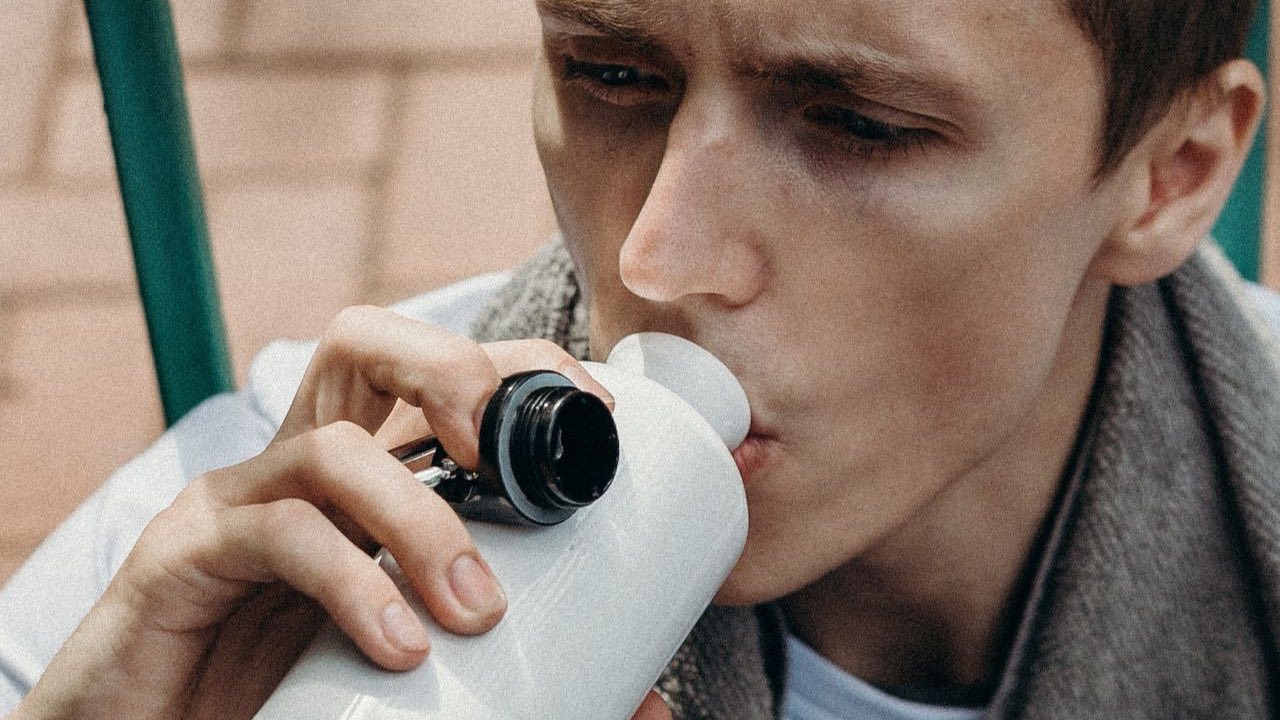
When buyers first start sourcing sports water bottles, most of the attention goes to the body — the material, the capacity, the insulation spec, whether it fits in a standard cage. The lid is treated as an accessory, something that gets finalized at the end after the main decisions are made.
That’s the wrong priority order. In practice, the lid mechanism is what determines whether the bottle actually gets used during activity, whether it leaks in a gym bag, and whether the end customer buys it again. A well-specified body with a poorly chosen lid produces a product that fails in use.
Here’s how to think through the three main lid types and which sports contexts each one actually serves.
Bite Valves Work When Both Hands Are Occupied
The bite-and-sip valve — a soft silicone tip that releases water when compressed by the teeth — is optimized for one specific use case: drinking without stopping, slowing down, or using your hands. Cyclists, trail runners, and triathletes who need to drink while maintaining pace or handling equipment are the natural users.
The mechanism requires no rotation, no flip, no button press. You pick up the bottle, bite the valve, drink, and put it down. In conditions where stopping to open a bottle costs meaningful time or creates a safety issue — descending on a bike, navigating technical trail — that matters.
The tradeoff is that bite valves require deliberate sealing to prevent leakage. Most designs require a quarter-turn or a cover to close securely enough for bag transport. Users who don’t seat the valve properly end up with a wet bag. For buyers sourcing for markets where the bottle will spend time in a gym bag between uses, this is a real complaint pattern.
Bite valves also have a hygiene dimension — the silicone tip sits against teeth and collects residue from whatever the user is drinking. For buyers whose end customers are health-conscious or are using the bottles for protein shakes or sports drinks rather than plain water, this becomes a cleaning burden that affects product ratings.
Flip-Top Lids Are the General-Purpose Option
The flip-top or push-button lid — a spout that opens with one thumb press and locks closed — is the format that works across the widest range of sports contexts without excelling in any particular one. It’s the default choice for gym-goers, team sports players, casual runners, and anyone who’s drinking from a bottle during rest periods rather than during active movement.
The single-hand operation is genuinely useful. You can open the bottle, drink, and close it without breaking stride in most activities that involve intermittent rather than continuous movement. For gym use, where someone is putting the bottle down between sets, the flip-top is often preferable to a bite valve because the spout retracts fully and the closed lid is leak-resistant without any deliberate sealing action.
For buyers sourcing for a sports water bottle supplier relationship, flip-top lids have the widest applicability and the lowest customer education burden. Users understand how they work immediately, there’s no technique to learn, and the failure modes are obvious when they occur rather than mysterious.
The quality variation in flip-top mechanisms is significant, though. The spring, the hinge, and the seal gasket all affect whether the lid stays closed when it should and opens reliably after extended use. Cheap flip-tops develop play in the hinge within weeks and stop sealing properly. This is worth testing specifically during sample review, not just checking that the lid opens.
Straw Lids Serve a Specific Set of End Users Well
Straw lids — a fixed internal straw attached to a lid with a covered drinking port — have a narrower natural audience than the other two formats but serve that audience better than any alternative. Young athletes, parents buying bottles for children, and users who prefer sipping to gulping are the natural fit.
The mechanism allows upright drinking without tilting the bottle, which matters for users who are sitting, driving, or working at a desk with the bottle in a cupholder. For team sports situations where athletes are drinking on the bench between play, a straw lid is often more comfortable than a flip-top for the continuous small sips that hydration management actually involves.
For buyers sourcing for youth sports programs, school athletics departments, or family-oriented retail channels, straw lids are underused relative to their actual fitness for these contexts. The common assumption that straw lids are just for kids undersells their utility in any seated or semi-active hydration context.
The operational concern with straw lids is cleaning. The straw itself collects residue from sports drinks and protein mixes, and it requires either a brush or a dishwasher cycle to clean properly. For buyers whose end customers are using the bottle with plain water, this is a non-issue. For buyers in supplement or sports nutrition channels, it’s worth noting in product descriptions and including a straw brush if the category supports it.
Matching the Lid to the Activity Profile
The decision should start with how the end customer is actually using the bottle, not with what looks good in a product photo. A trail running audience wants bite valves. A gym and general fitness audience wants flip-tops. A youth sports or casual hydration audience often does better with straw lids, though they rarely ask for them by name.
Where buyers get into trouble is specifying a lid based on aesthetics or cost rather than activity fit — ordering a bite valve lid for a gym-focused product because it looks more athletic, or defaulting to flip-top for a cycling product because the buyer is more familiar with the format. The end customer figures out the mismatch within the first week and it shows up in reviews that are hard to undo.
The lid decision deserves the same attention as the body spec. Usually more.


